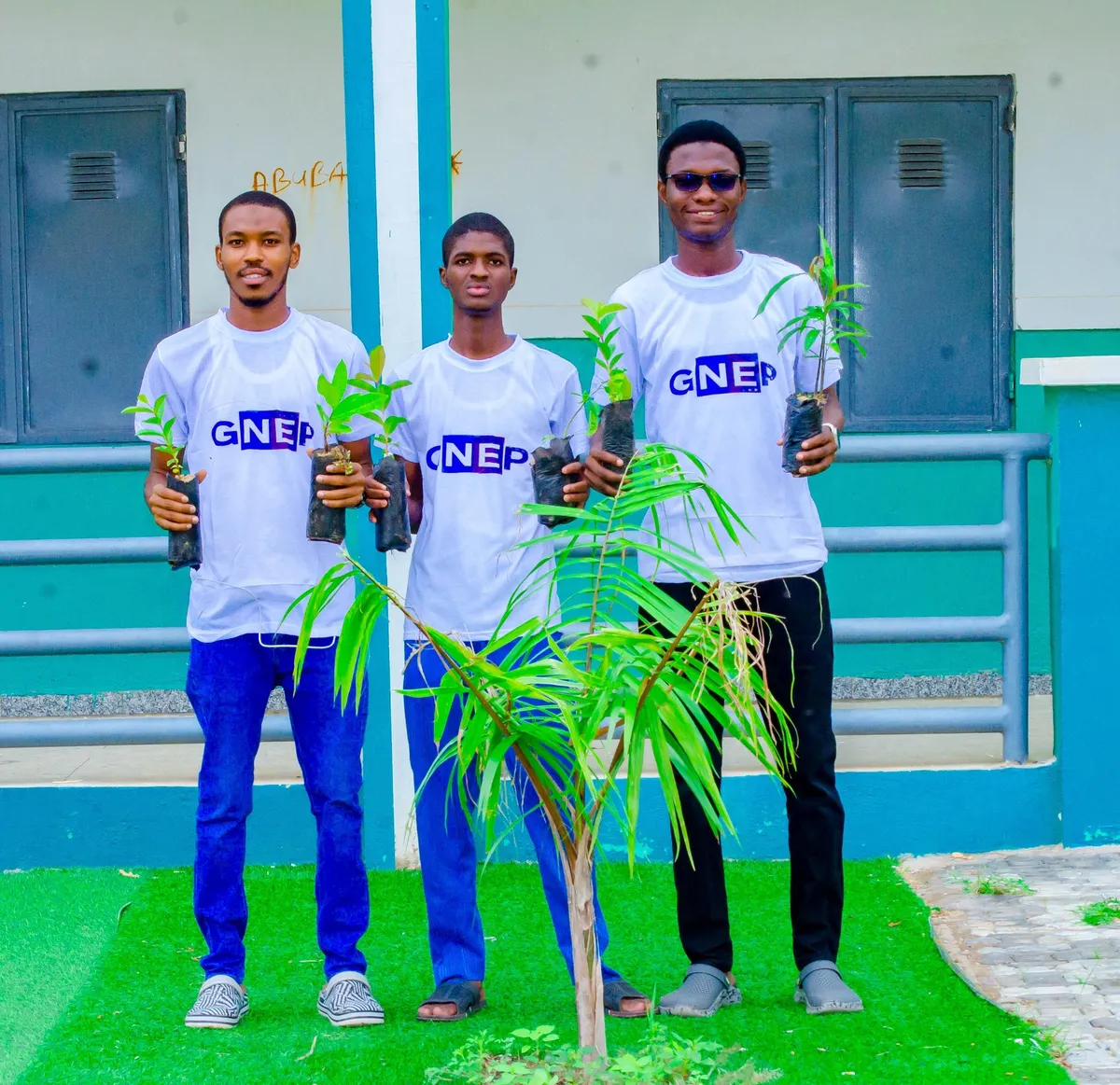
Young people are increasingly recognised as important contributors to environmental protection and sustainable development. Across Africa, they are engaging in climate awareness campaigns, tree planting, community education, environmental advocacy and initiatives that promote more sustainable ways of living. Yet, meaningful youth participation requires more than enthusiasm. It depends on access to knowledge, practical skills, institutional support and opportunities to influence decisions affecting their communities.
In Nigeria, where communities face environmental pressures ranging from rising temperatures and irregular rainfall to flooding, land degradation and deforestation, strengthening local capacity is essential. Youth-led environmental action offers an opportunity to connect the energy of young people with practical responses to these challenges.
For the Global Nature and Environmental Partnership (GNEP), youth participation is not simply about raising awareness. It is about helping young people and community organisations develop the capacity to contribute to locally grounded, evidence-informed and sustainable environmental solutions.
Why Local Capacity Matters
Environmental challenges are experienced differently across communities. The priorities of a farming community facing declining soil quality may differ from those of an urban neighbourhood dealing with waste management or a community exposed to seasonal flooding.
Effective environmental action must therefore begin with an understanding of local conditions. Young people who live in affected communities can help identify problems, document experiences, mobilise participation and communicate local priorities to relevant institutions.
However, the ability to turn these contributions into lasting results depends on capacity. Young environmental advocates need opportunities to develop skills in project planning, environmental education, research, communication, partnership building and resource mobilisation.
Without these skills, promising initiatives may struggle to move beyond one-off campaigns. With appropriate support, young people can help design activities that respond to local needs, engage relevant stakeholders and contribute to longer-term development objectives.
Building local capacity also helps ensure that environmental initiatives are informed by community knowledge rather than relying exclusively on externally designed interventions.
From Awareness to Practical Action
Environmental awareness is an important starting point, but awareness alone does not guarantee meaningful change. Communities also need opportunities to translate knowledge into action.
Tree planting, for example, can contribute to ecosystem restoration and climate resilience when activities are carefully planned and sustained. This requires selecting suitable species, identifying appropriate locations, considering local ecological conditions and ensuring that seedlings receive adequate care after planting.
Similarly, school climate clubs can provide opportunities for students to learn about environmental challenges and participate in practical activities. These may include waste reduction, school greening, energy conservation, biodiversity education and community awareness.
Youth-led environmental education can also help make climate information more accessible. By using local examples, familiar languages and participatory methods, young advocates can connect environmental issues with livelihoods, public health, food security and everyday community experiences.
The central lesson is that environmental initiatives should be judged not only by the activities conducted but also by their relevance, continuity and contribution to community priorities.
Strengthening Youth Leadership and Collaboration
Young people rarely achieve lasting environmental outcomes in isolation. Effective initiatives often depend on cooperation among youth groups, civil society organisations, schools, community leaders, public institutions, researchers and development partners.
These partnerships can provide technical knowledge, access to communities, opportunities for learning and stronger links to policy processes. They can also help youth-led organisations improve their governance, develop credible project proposals and identify appropriate sources of support.
Civil society organisations have an important role in creating these opportunities. Through training, mentorship, collaborative projects and knowledge-sharing platforms, they can help young people strengthen their skills and participate more effectively in environmental decision-making.
For youth-led organisations, institutional development is equally important. Clear objectives, transparent management, reliable documentation and realistic project plans help build trust with communities and potential partners.
Youth leadership should also involve genuine participation in decision-making. Young people should have opportunities to contribute to defining environmental priorities, designing interventions and assessing results, rather than being involved only as volunteers during implementation.
GNEP's Contribution to Local Environmental Capacity
The Global Nature and Environmental Partnership (GNEP) works to advance sustainability, climate resilience and nature-based solutions through youth engagement, environmental education and civil society capacity development.
Its activities include environmental awareness, community-oriented restoration initiatives and practical capacity-building opportunities for civil society representatives. Through its collaboration with the African Youth Initiative Network (AYINET), GNEP has also been involved in an initiative to plant 150 economic tree seedlings in Katsina State.
Such initiatives illustrate how environmental action can create opportunities for collaboration and local participation. However, their long-term value depends on continued care, community ownership, appropriate species selection and attention to the environmental conditions in which activities take place.
GNEP's capacity-building work also recognises that environmental progress requires more than field activities. Civil society representatives and young advocates need communication, research and project development skills to explain environmental challenges, engage decision-makers and mobilise support for locally relevant solutions.
By linking practical environmental action with capacity development and policy engagement, GNEP seeks to support a broader culture of informed and sustained environmental participation.
Making Youth-Led Action More Sustainable
To strengthen the contribution of young people to sustainable development, several priorities deserve attention.
Invest in practical skills. Training should equip young people with the technical, organisational and communication skills required to plan and sustain environmental initiatives.
Support locally led solutions. Environmental programmes should reflect community priorities, local knowledge and ecological realities.
Create meaningful participation opportunities. Youth should be included in relevant consultations, planning processes and environmental governance structures.
Build long-term partnerships. Collaboration with schools, community organisations, public institutions and technical experts can improve the reach and quality of environmental activities.
Measure progress responsibly. Organisations should document activities, track relevant outcomes and communicate limitations honestly. For restoration initiatives, this includes monitoring seedling survival and maintenance rather than reporting planting numbers alone.
Strengthen access to resources. Young environmental organisations need appropriate funding opportunities, mentorship and institutional support to move from short-term activities towards sustained programmes.
Conclusion: Empowering Young People to Shape Sustainable Futures
Youth-led environmental action offers an important pathway towards more inclusive and locally responsive sustainable development. Young people bring energy, creativity and knowledge of their communities, but their contributions are most effective when supported by practical skills, strong partnerships and opportunities for meaningful participation.
For Nigeria and the wider African continent, strengthening local capacity can help connect environmental awareness with community action, institutional engagement and longer-term resilience.
The task is not simply to encourage young people to participate. It is to create the conditions in which they can lead, learn, collaborate and contribute to decisions that shape their environmental future.
Through youth engagement, capacity development and community-oriented environmental initiatives, GNEP remains committed to supporting locally grounded action for a more sustainable and climate-resilient Africa.